
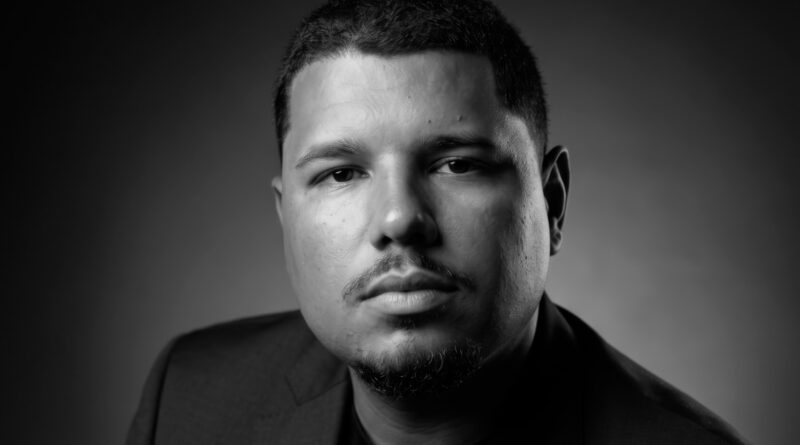
Lucas Tylty and the New Generation of Brazilian Entrepreneurs Transforming Audience Into Influence Within Global Football
Football has always been one of Brazil’s greatest cultural forces. But in recent years, a new generation of entrepreneurs has started viewing the sport not merely as entertainment, but as an ecosystem of media, business and global influence. Among the names representing this movement is entrepreneur and content creator Lucas Tylty.
Born in São João de Meriti, in Rio de Janeiro’s Baixada Fluminense region, Tylty built his trajectory through the digital economy, transforming his social media presence into a group of companies connected to entertainment, sports marketing and audiovisual production. Today, the entrepreneur reaches more than 10 million followers on Instagram and leads operations linking audience, brands and projects within the sports industry.
His trajectory reflects a structural shift in the contemporary market. While digital influence was once viewed simply as audience reach, it has now consolidated itself as a strategic asset within media, advertising and sports sectors. In this environment, entrepreneurs capable of converting attention into business are increasingly occupying relevant positions within the economic chain of entertainment.
Leading OTG Group, Tylty oversees initiatives focused on communication, content and football-related experiences. Among them is R10 Score, a company developed in partnership with Ronaldinho Gaúcho, former footballer and one of the greatest names in the history of world football.
The group also operates Manita, an agency specialising in sports marketing and football-focused experiences. The company has participated in projects for organisations such as the Brazilian Football Confederation, in addition to campaigns developed for global brands including Nike and Adidas.
More recently, the entrepreneur expanded his operations with OTG Content, an audiovisual production company focused on branded content, entertainment and sports projects. Even during its recent expansion phase, the company has already secured clients including Amazon Prime, Rock in Rio, Adidas and Artplan.
Alongside his business activities, Lucas Tylty has also become part of one of the most relevant movements within the new economy of sports entertainment. He serves as president of Dibrados FC, a team competing in Kings League Brazil, the competition created by Gerard Piqué that combines football, streaming culture and creators in a model centred on digital consumption and audience engagement.
The rise of Kings League represents a significant transformation in sports audience behaviour. The format brings creators, athletes and supporters closer together through a consumption logic far more connected to digital environments than to traditional football structures. In this context, entrepreneurs operating between influence, media and business are beginning to play increasingly strategic roles within the sector.
Within the digital landscape, Tylty also consolidated his relevance through the YouTube project “Who Is The Player?”. The format has accumulated more than 1.37 million subscribers, alongside billions of impressions and millions of interactions, reinforcing the strength of sports entertainment as a modern media product.
Beyond the numbers, however, his trajectory stands out for representing a new entrepreneurial profile within Brazilian sport. Unlike previous generations, which were largely built through traditional media structures or conventional investment routes, entrepreneurs such as Lucas Tylty emerge from the attention economy, using content and community as the foundation for business expansion.
This new logic has already begun reshaping the global football market. Clubs, brands and competitions increasingly view creators and digital entrepreneurs not merely as influencers, but as relevant operators within the contemporary sports industry.
Within this scenario, the publicly stated ambition of one day becoming part of the ownership structure of a European club such as Chelsea Football Club no longer appears merely symbolic, but instead reflects a movement aligned with a new profile of sports entertainment entrepreneurs.
More than digital reach, the case of Lucas Tylty demonstrates how influence, media and business have become interconnected assets within the modern sports economy.
And perhaps that is precisely the defining aspect of his trajectory: understanding early on that, in contemporary football, audience can also represent market power.