
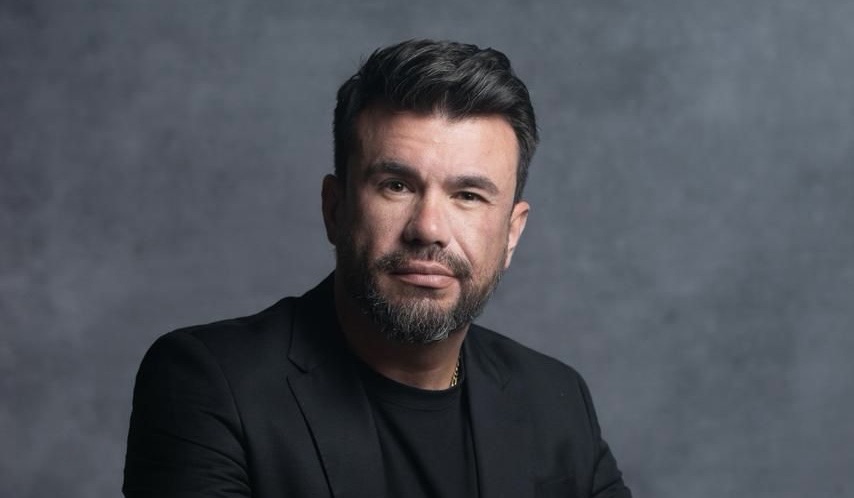
Ycaro Martins steps away from operations to build a growth ecosystem in Brazil
After consolidating one of the most efficient expansion models in Brazil’s automotive sector, Ycaro Martins begins a new chapter in his entrepreneurial journey. Founder of Vaapty, a platform that has already generated more than £600 million in vehicle sales and structured one of the country’s largest franchising networks, the entrepreneur is now repositioning his role at a more strategic level. His focus shifts towards building an ecosystem dedicated to business expansion.

This move is far from impulsive. It reflects a growing trend among founders who reach scale and transition into more structural roles within their organisations. Rather than operating businesses, they begin to design systems for growth.
“There comes a point where staying in operations stops being growth and becomes a limitation. When a company reaches a certain level, it requires new layers of management, governance and specialisation. If the founder does not understand this, they become the bottleneck of their own business,” he says.
Vaapty served as the testing ground for this approach. Built on an innovative model of vehicle intermediation without inventory, with transactions completed in under 40 minutes, instant payments via Pix and a nationwide franchise network, the company scaled through operational efficiency, standardisation and consistency.
It was precisely this growth that brought clarity about the next step.
“I realised I did not want to be just the operator of a successful company. I wanted to understand how to replicate that growth across different sectors. From that point on, everything changes. You stop building companies and start building systems.”
This new direction materialises in Maxymus Expand, a company created to structure, accelerate and scale businesses based on method, data and execution. Unlike traditional consultancy or acceleration models, the proposal is to act in an integrated way in building growth, connecting strategy and operations within a single framework.
The thesis behind the business is based on a recurring diagnosis within the Brazilian market. Most companies are not limited by demand, but by structure.
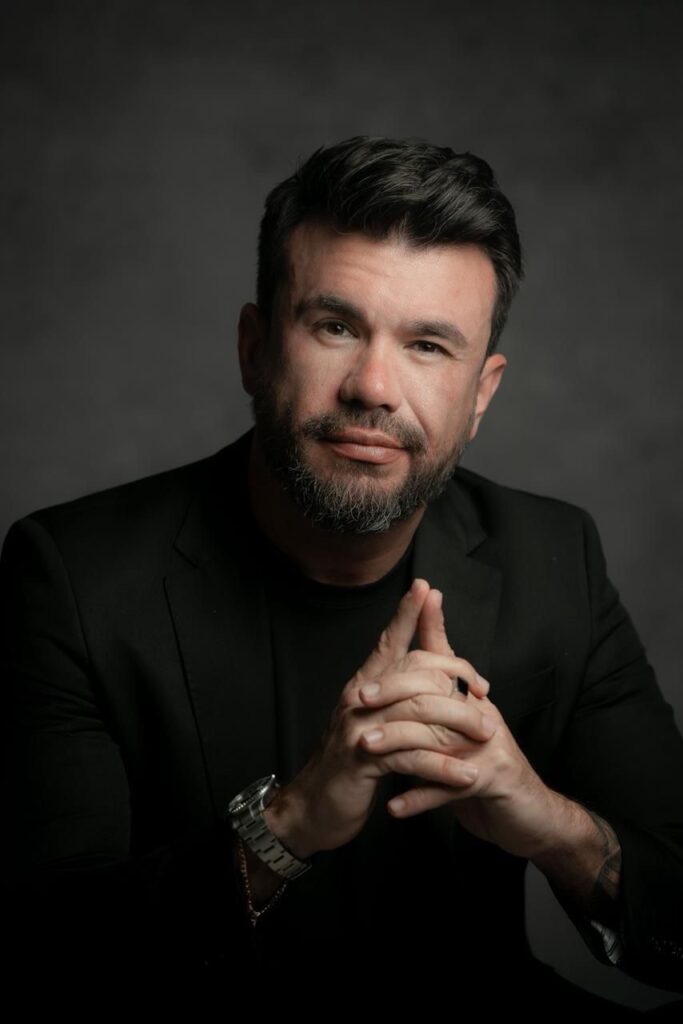
“Brazil has thousands of businesses with potential, but without a model, without processes and without governance. They grow through effort, but cannot sustain scale. Maxymus was created to organise that growth and turn potential into predictable results.”
Within this vision, the company is already planning to launch, later this year, a new franchise model focused on business expansion. The proposal is to build a nationwide network of units specialised in business growth, capable of delivering method, marketing, sales and organisational structure to companies across different regions.
If executed as planned, the model could introduce a new category within Brazilian franchising, one based not only on replicating operations, but on replicating growth.
“Franchising has always been about replicating operations. We are creating a model to replicate growth. It is a shift in logic.”
This movement aligns with a broader global transformation in the role of founders. Rather than centralising decisions, they become architects of ecosystems, connecting companies, data, capital and strategy into broader, more integrated structures.
More than a change in role, it is a shift in mindset.
“The game is no longer about one company. It is about impact. About how many businesses you can transform, how many markets you can influence and how many people you can bring along in that growth.”
By stepping away from operations to design a growth ecosystem, Ycaro Martins not only opens a new chapter in his trajectory, but also positions himself within a still underexplored space in Brazil: that of those who do not just scale companies, but entire systems of growth.
“The next decade will not be led by those with the best product, but by those with the best expansion model. And that is exactly what we are building.”