

Douglas Drumond and the global reinvention of nightlife through the concept of “comfort-driven entertainment”
At a time when the global entertainment industry is searching for new formats to re-engage increasingly demanding audiences, Brazilian entrepreneur Douglas Drumond emerges as one of the figures who anticipated a silent shift in urban behaviour. CEO of Hotel Chilli in São Paulo and the mind behind Edifício Barbarella in Rio de Janeiro, Drumond is building a model that repositions nightlife by integrating hospitality, comfort and entertainment into a single ecosystem.
With a background in hospitality, journalism and a postgraduate degree in hotel architecture, his trajectory reflects a strong foundational influence. Coming from a family behind one of the largest hotel groups in Minas Gerais, Drumond transformed technical knowledge and industry heritage into an original business proposition. His work aligns with international trends pointing to personalisation and wellbeing as key pillars of the experience economy.
The turning point in his journey, however, was not purely technical. While living in San Francisco in the United States, he went through a personal crisis typical of early adulthood. It was during this period that a reflection reshaped his perspective entirely. Upon hearing the idea that, at a certain stage in life, one must “internally detach from their parents”, Drumond redefined his relationship with autonomy and responsibility. From that moment, he built an entrepreneurial identity independent from inherited references.
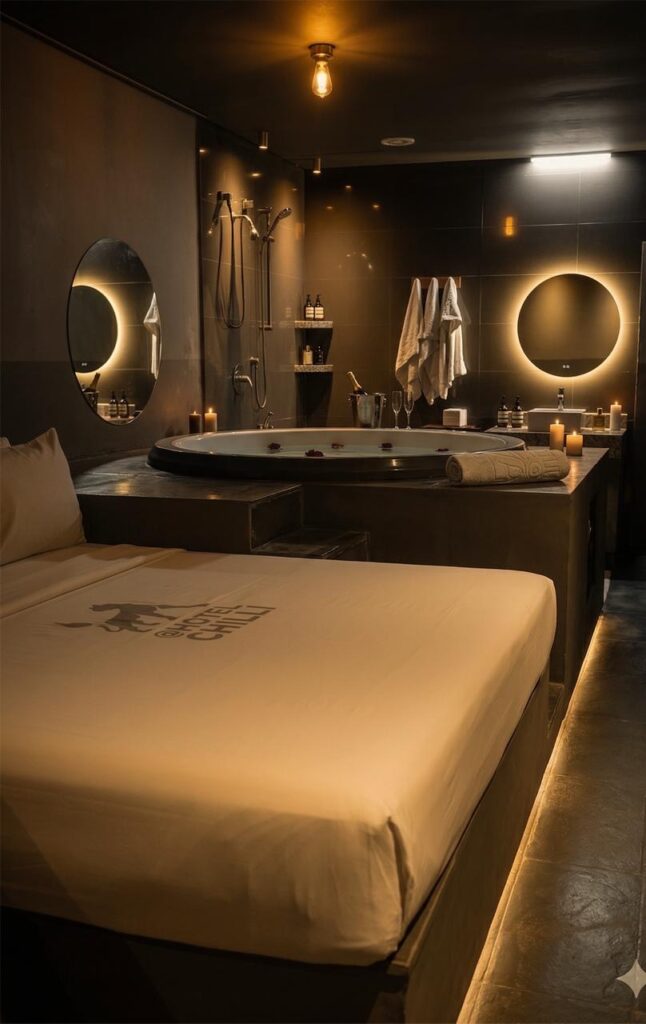
This personal repositioning directly influenced his business vision. At Hotel Chilli in São Paulo, Drumond created a hybrid model combining hotel, sauna and spa within an environment designed exclusively for men. More than a place to stay, the project introduces a new logic for nightlife consumption. Instead of the traditional club structure, often marked by discomfort, overcrowding and limited social interaction, the space prioritises permanence, wellbeing and fluid social dynamics. With approximately 800 guests per day, including stays and day use, the operation demonstrates both scale and economic viability.
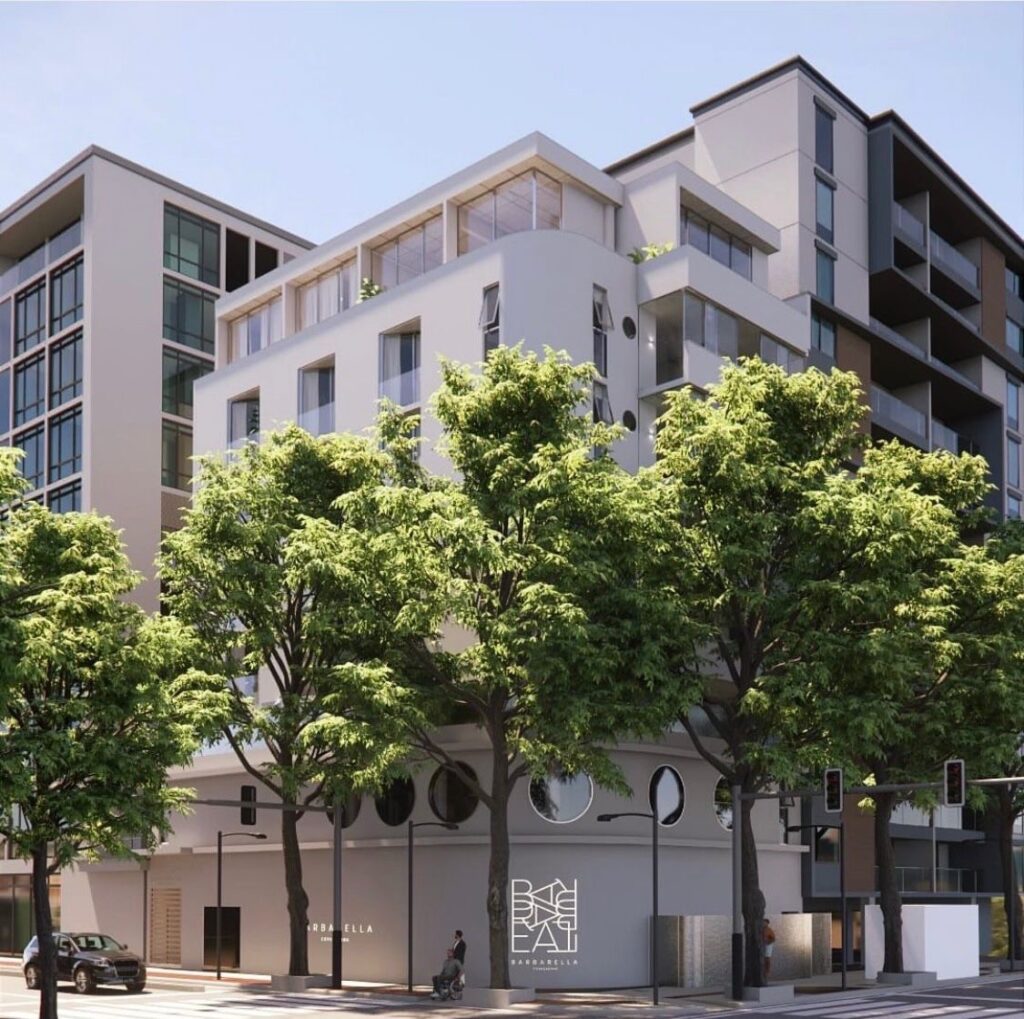
The same principle drives his latest project in Rio de Janeiro. Edifício Barbarella, located in Copacabana, represents the reconstruction of an iconic nightlife venue under a new perspective. By integrating 17 short-term apartments directly connected to a dance floor with a capacity of 540 people, the project proposes a fusion of living, hospitality and entertainment. With over one thousand workers involved in its construction and an estimated monthly circulation of around 10,000 people, the development points to a hybrid urban model that is beginning to gain traction in major global cities.
The logic behind these ventures follows a broader international movement. In markets such as Asia, particularly in China, new entertainment formats are already emerging where comfort takes centre stage. Large-scale shows are being designed for audiences to watch and engage in more relaxed settings, including lounge-style environments and even bed-based experiences. This shift suggests that leisure consumption is moving away from physical intensity towards more sensory and personalised experiences.
Within this context, Drumond positions himself as one of the pioneers in applying this concept in Brazil. By replacing physical strain with comfort as the core of the experience, his projects anticipate a potential redefinition of nightlife on a global scale.
“Nightlife has not ended. What needs to change is the format,” he states.
By transforming how people experience entertainment, Douglas Drumond is not only creating new spaces, but also contributing to the emergence of a new night-time economy, where comfort, permanence and experience become strategic assets.